Exploring the Australian Outback: A Complete Travel Guide
Your ultimate guide to experiencing Australia’s rugged heartland
Australia’s Outback is one of the most iconic and awe-inspiring travel destinations in the world—a vast, rugged interior that captures the imagination with its red earth, endless horizons, and deep cultural significance. For tourists seeking adventure, authenticity, and a connection to nature unlike anywhere else, the Outback offers an unforgettable experience.
Stretching across much of the Australian continent, the Outback is not a single defined place but rather a collection of remote regions characterized by arid landscapes, sparse populations, and dramatic natural beauty. From the deserts of the Northern Territory to the sweeping plains of Western Australia and South Australia, each area presents its own unique character and attractions.
Why Visit the Australian Outback?
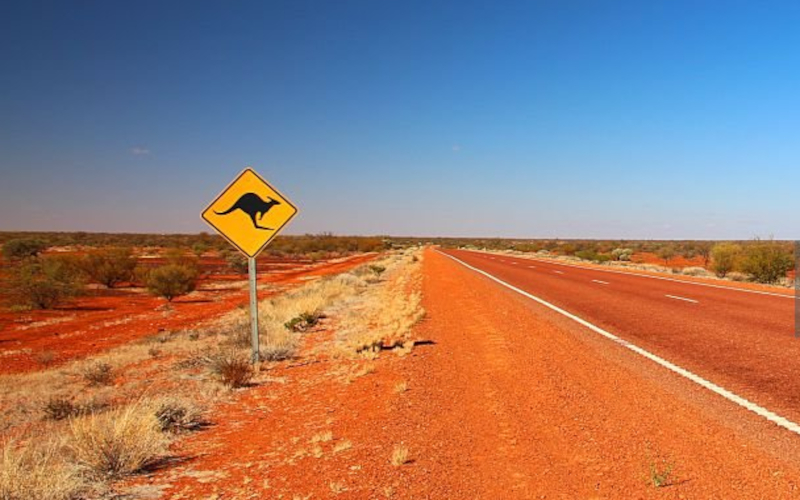
One of the most compelling reasons to visit the Outback is its sheer sense of scale and isolation. Unlike bustling coastal cities, the Outback invites travellers to slow down and embrace the vastness of the land. Long, open roads stretch for hundreds of kilometres, often without another vehicle in sight.
The silence is profound, broken only by the wind or the distant call of wildlife. It’s a place where you can truly disconnect from modern life and reconnect with the natural world.
Be sure to keep checking back on Travels Australia as often as you can!
Stunning Landscapes and Natural Wonders
A highlight of any Outback journey is witnessing its remarkable landscapes. Towering rock formations rise dramatically from flat plains, ancient gorges cut through rugged terrain, and dry riverbeds hint at the power of seasonal rains.
Sunrises and sunsets are particularly spectacular, painting the sky in vivid shades of orange, pink, and purple. The clear, unpolluted skies also make the Outback one of the best places on Earth for stargazing, with the Milky Way visible in dazzling clarity.
Wildlife Encounters
The Outback is home to a rich diversity of wildlife. Kangaroos and wallabies are commonly spotted, especially during early morning and late afternoon. Emus roam freely across open land, while wedge-tailed eagles soar high above.
Reptiles, including lizards and snakes, thrive in the arid climate, and unique bird species add colour and sound to the landscape. Visiting national parks and conservation areas provides excellent opportunities to observe these animals in their natural habitats.
Indigenous Culture and Heritage
Beyond its natural beauty, the Outback holds profound cultural significance. It is the traditional land of Indigenous Australians, whose connection to the land spans tens of thousands of years.
Many areas feature ancient rock art, sacred sites, and Dreamtime stories that form part of one of the world’s oldest living cultures. Guided tours led by Indigenous custodians offer valuable insights into traditional knowledge, including bush foods, medicinal plants, and spiritual connections to the land.
Adventure Activities in the Outback
Adventure seekers will find plenty to do in the Outback. Four-wheel driving is one of the most popular ways to explore remote areas, offering access to hidden waterholes, secluded campsites, and untouched scenery.
Hiking trails range from short scenic walks to multi-day treks through gorges and desert landscapes. For a unique experience, camel rides allow visitors to travel as early explorers once did.
Accommodation Options
Accommodation in the Outback varies widely. Travellers can choose from luxury eco-lodges and remote resorts to caravan parks and basic campgrounds.
Camping under the stars is one of the most memorable experiences, offering a deep connection to the natural environment. However, preparation is essential, including carrying adequate supplies of water, food, and fuel.
Travel Tips for Visiting the Outback
- Plan your route carefully and research distances between destinations
- Carry extra water, fuel, and emergency supplies
- Check weather conditions before travelling
- Inform someone of your travel plans
- Be aware that mobile coverage is limited in remote areas
The best time to visit is typically between April and September, when temperatures are cooler and more comfortable for travel.
Food and Local Experiences
Food in the Outback is hearty and simple, often served in remote roadhouses and small-town pubs. Visitors can also try native Australian ingredients such as bush tomatoes, wattleseed, and kangaroo meat for a truly local experience.
Equally memorable are the people—friendly, resilient locals who often share fascinating stories about life in Australia’s most remote regions.
Why the Outback Should Be on Your Bucket List
A journey into the Australian Outback is about more than just sightseeing. It’s an opportunity to experience a timeless landscape, learn from ancient cultures, and embrace the spirit of adventure.
Whether you’re watching a desert sunset, stargazing under vast night skies, or exploring remote terrain, the Outback offers a travel experience like no other—raw, authentic, and unforgettable.